Safety
GlycoMode Side Effects: Is It Safe, and Who Should Ask a Doctor First?
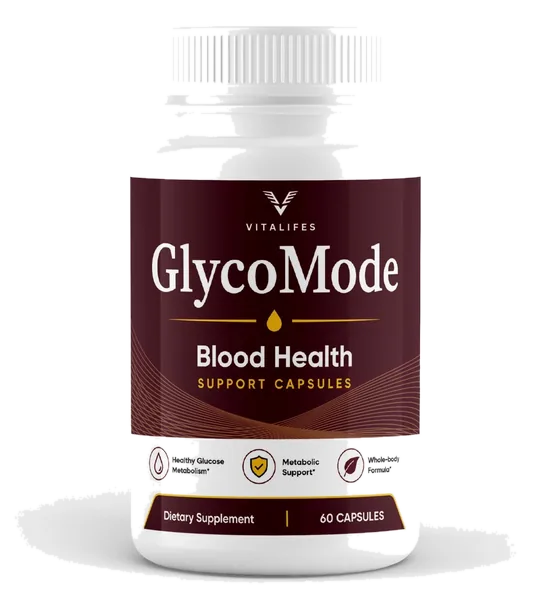
GlycoMode side effects are not listed on the label, and no one can call it safe or unsafe for you. The label tells pregnant or nursing mothers, anyone under 18 and anyone with a known medical condition to see a doctor first. Four ingredients carry named warnings: bitter melon, wild yam, horny goat weed and garcinia. No amounts are published, so you cannot measure your own exposure.
Want to see the live price?
Before any order, a doctor's view matters more than ours. If you still want to look, the checkout shows the live price and return terms.
Glycomodes is not the manufacturer. We earn a commission when you buy through the checkout link on this site. It never changes the price you pay.
Read this first
This page is general information, not medical advice. GlycoMode is a dietary supplement. It is not FDA approved, and no supplement is. It is not intended to diagnose, treat, cure or prevent any disease. Ask your own doctor before you use it, and say so if you take insulin or any diabetes medicine.
Is Glycomode safe for a healthy adult?
The label sells Glyco Mode to healthy adults aged 18 and over. Its caution line reads: Do not exceed recommended dose. Pregnant or nursing mothers, children under the age of 18 and individuals with a known medical condition should consult a physician before using this or any dietary supplement.
That is a broad warning, and it is a fair one. It covers most of the specific cases below. The label also says to keep the bottle away from children and not to use it if the safety seal is damaged or missing.
What we cannot tell you is how much of any ingredient you would swallow. The panel shows 1000 mg in total for nine ingredients and no split. So every warning on this page has to be read as possibly applying to you.
Key facts
- Label caution: consult a physician if you are pregnant or nursing, under 18, or have a known medical condition.
- Most important named interaction: bitter melon with insulin and diabetes medicines. Memorial Sloan Kettering says it may have additive effects.
- Wild yam has oestrogenic activity, so anyone with a hormone-sensitive cancer should ask a physician.
- Horny goat weed (epimedium): avoid with heart disease, with CYP3A4 substrate drugs and with aromatase inhibitors.
- Garcinia cambogia: NIH records 3 cases of mania and 10 of liver toxicity in reports involving garcinia products. Causality was not established.
- Apple cider vinegar: Memorial Sloan Kettering records chemical burns, throat injury from tablets, liver toxicity and acute pancreatitis.
- No ingredient amounts are published, so exposure cannot be worked out.
- This is not a diabetes treatment, and nothing here is a reason to change a medicine.
What do the sources say about each ingredient's safety?
Here is a short reading of the nine ingredients. We quote reviewing bodies and add no safety claims of our own.
| Ingredient | What the source reports |
|---|---|
| L-Lysine HCL | No NIH, NCCIH or MSK page found, so no citation |
| Apple Cider Vinegar | MSK: chemical burns, oesophageal injury from tablets, liver toxicity, acute pancreatitis |
| Garcinia Cambogia Powder | NIH: headache, nausea, upper respiratory and stomach symptoms; 3 mania and 10 liver toxicity cases in reports |
| Tongkat Ali Extract | No NIH, NCCIH or MSK page found, so no citation |
| Horny Goat Weed Extract | MSK: avoid with heart disease, CYP3A4 drugs, aromatase inhibitors |
| Wild Yam Extract | MSK: oestrogenic effects; hormone-sensitive cancer needs a physician first |
| Cinnamon Extract | NCCIH: larger or longer use sometimes linked to stomach problems or allergy |
| Bitter Melon Extract | MSK: avoid in pregnancy and with insulin or diabetes medicines |
| Raspberry Ketones | NIH: no safety concerns in one 8-week study, but not well studied |
Two rows say no citation. That is not good news. A missing source does not mean a missing risk.
Which medicines and health conditions need a doctor first?
Four pairings are specific enough to act on. Take the bottle to your prescriber and show them the panel.
Diabetes medicines and insulin
Memorial Sloan Kettering advises against bitter melon if you take insulin or diabetes medicines, because it may have additive effects. Of the four, this is the one to raise first.
Hormone-sensitive cancer
Wild yam acts like oestrogen in the body, according to the same centre. Its page repeats the advice to see a physician.
Heart disease and certain drugs
Epimedium is listed as something to avoid with heart disease, with CYP3A4 substrate drugs and with aromatase inhibitors.
Liver trouble
Garcinia products appear in reports of liver toxicity, and NCCIH flags coumarin in cassia cinnamon for people with liver disease. This label names Cinnamomum verum, the lower-coumarin species.
Who should not take Glyco Mode without medical advice?
These groups come from the label and the cited pages. They are not our personal rules.
- Anyone under 18.
- Anyone who is pregnant or nursing.
- Anyone who takes insulin or any diabetes medicine.
- Anyone with a hormone-sensitive cancer.
- Anyone with heart disease.
- Anyone with liver disease or a past liver injury.
- Anyone who takes CYP3A4 substrate drugs or aromatase inhibitors.
- Anyone with a known medical condition of any kind.
That is a long list for a capsule. It is long because nine ingredients bring nine sets of cautions. If you are on the list, ask first and buy later.
What side effects have been reported for these ingredients?
Mild stomach upset is the type most often linked to botanical products. NCCIH ties larger or long-term cinnamon use to stomach problems or allergic reactions in some people. NIH lists headache and nausea among garcinia reports.
Rarer problems appear in the sources too. Memorial Sloan Kettering lists irregular heartbeat, gastric ulcers and kidney injury in bitter melon case reports. Garcinia reports include liver toxicity, and in those reports one death and two liver transplants are recorded, with the caveat that the products held several ingredients.
Nobody knows how often any of this would happen with Glyco Mode, because no trial of the finished capsule is published. Treat the list as a map of what to watch for, not a forecast.
What should you do if you feel unwell after taking it?
Keep it simple and act early.
Stop taking it
No taper or withdrawal issue is documented for these ingredients in our sources.
Keep the bottle
The lot number, the panel and the other-ingredients line are all on it. A doctor or pharmacist will want to read them.
Get urgent care for serious signs
Yellow skin or eyes, severe stomach pain, chest pain, fainting, trouble breathing or swelling of the face or throat need emergency help, not waiting.
Tell the seller and report it
The order desk is +1 (302) 200-3480. Anyone can also report a supplement problem to the FDA through its MedWatch programme.
Where do these safety facts come from?
Every warning above comes from a page we opened. Where no page exists, the row says so.
- Memorial Sloan Kettering Cancer Center, About Herbs (2026). Bitter Melon.
- Memorial Sloan Kettering Cancer Center, About Herbs (2026). Wild Yam.
- Memorial Sloan Kettering Cancer Center, About Herbs (2026). Epimedium.
- Memorial Sloan Kettering Cancer Center, About Herbs (2026). Apple Cider Vinegar.
- Office of Dietary Supplements, National Institutes of Health (2026). Dietary Supplements for Weight Loss: Health Professional Fact Sheet.
- NCCIH, National Institutes of Health (2026). Cinnamon: Usefulness and Safety.
Frequently asked questions
Is Glycomode safe?
It depends on you. The label says to consult a physician if you are pregnant, nursing, under 18 or have a known medical condition. No ingredient amounts are published, so exposure cannot be measured.
Which side effects can Glyco Mode cause?
No trial of the finished capsule is published. The sources report stomach upset, headache and nausea for some ingredients, and rarer serious events for others, such as liver toxicity in garcinia reports.
Can I take Glyco Mode with diabetes medicine or insulin?
Ask your prescriber first. Memorial Sloan Kettering advises against bitter melon with insulin and diabetes medicines because it may have additive effects.
Is Glyco Mode safe during pregnancy?
The label tells pregnant or nursing mothers to consult a physician, and Memorial Sloan Kettering advises against bitter melon in pregnancy.
Is daily use of Glyco Mode okay?
The label allows one or two capsules daily and says not to exceed the recommended dose. Long-term safety is unknown, so ask your doctor about daily use.
Where do I report a bad reaction?
Stop taking it, get medical help if it is serious, and call the order desk on +1 (302) 200-3480. You can also report it to the FDA through MedWatch.
Our view
Our view on safety is plain. Glyco Mode is not shown to be dangerous, and it is not shown to be safe for you. The reason is simple: nine active names, one total, no amounts.
That makes the doctor visit the real first step. Bring the bottle, point at bitter melon, and ask about any medicine you take.
If you are healthy and your doctor agrees, a small first order is a sensible way to test your own response. Stop if anything feels wrong.
Want to see the live price?
If your doctor is happy for you to try it, the checkout shows the live price and the return terms. Read both, then start small.
Glycomodes is not the manufacturer. We earn a commission when you buy through the checkout link on this site. It never changes the price you pay.
Last updated . Written by the GlycoMode Editorial Desk. Medically reviewed by Dr. Andrea Hayes, MD, Physician.